

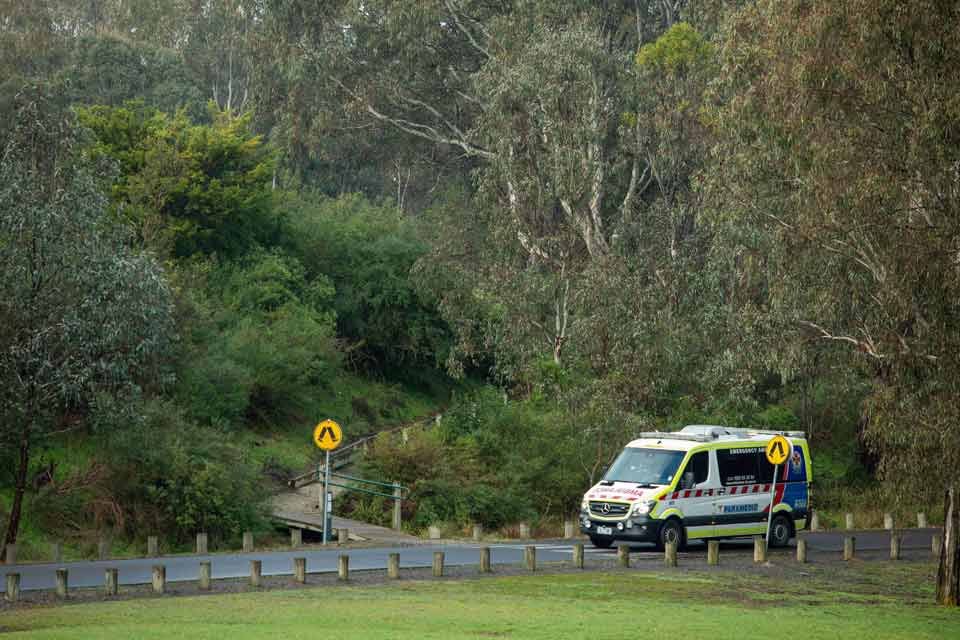
Many Victorians will be dusting off their camping and hiking gear as the weather warms up and AV Manager Emergency Management Kathryn Haden said it’s crucial to be well prepared for your adventure and to know how to get help in case something goes wrong.
“Make sure you’re dressed appropriately for the conditions and bring enough supplies, including water, food, sunscreen, a torch, basic first aid equipment and warmer layers in case you’re out for longer than expected.
“Research where you’re going and make sure your planned trip is suitable for your level of fitness and experience.
“Most importantly, always tell someone where you’re going and when you plan to return.”
Kathryn said Victorians should consider learning basic first aid and cardiopulmonary resuscitation (CPR) as emergencies can happen anywhere and at any time.
“If you’re heading somewhere new, look up the nearest Urgent Care Clinic, doctors’ clinic or pharmacy beforehand, so you can visit these services if you or someone else is injured or becomes unwell, but it’s not an emergency,” she said.
“From a safe, sheltered location such as a campsite, you could also access the Victorian Virtual Emergency Department (VVED) via video call, for free urgent medical assessment and advice, without needing to travel anywhere.”
As the weather warms up, more Victorians will also head to waterways across the state which present additional safety risks.
“Getting in trouble while swimming in a river, lake or dam isn’t the only danger – a lot of our call outs to inland waterways are where people have unintentionally found themselves in a body of water from slips and falls or boating accidents,” Kathryn said.
“Whenever you’re near water, it’s important to be alert and to actively and constantly supervise children.”
Kathryn said it’s easy to become lost or disorientated in bushland, especially in unpredictable weather conditions, so it’s critical to be able to call Triple Zero (000) in case of an emergency.
“Before you head out, download the EmergencyPlus app, which has a range of features to help you call for help and accurately tell a call-taker where you are, even in remote or unfamiliar environments,” she said.
“The app uses your phone’s GPS function to identify your address, latitude and longitude coordinates, as well as your ‘What3Words’ location – three words that emergency services can use to narrow your exact location down to three square metres.
“You may also consider taking a personal locator beacon (PLB) which, when activated, sends an emergency signal via satellite to emergency services.”
Kathryn also encouraged community members to check the VicEmergency app or website for incidents and warnings in the area you’re visiting.